|
| Crinum bulbispermum "Jumbo" |
 |
| "Jumbo" |
 |
| C. moorei |
 |
| C. moorei |
 |
| Found crinum from South Carolina |
 |
| The other found crinum from South Carolina, growing in the same location as the pink one above |
Crinum is a fairly large genus with quite a few hybrids, and some of the species and hybrids are more cold hardy than might be expected. The species C. bulbspermum is especially cold hardy, and all the bulbs I planted out in my home gardens came through last winter, the coldest in decades, unscathed. They were young bulbs, maybe 3 years old in most cases, from 2 different sources, a few of a "Jumbo" strain from a PBS seed distribution, and many more from South African seed. One of the Jumbos bloomed in October, much later than it should have, so the flower didn't open completely due to the cold but I was pleased nonetheless. C. bulbispermum tends to not offset readily, but its hybrids often do. I have one such hybrid or selection growing from seed now, it has been named Oaklawn Cemetery strain from where it was found by Nestor, a crinum aficionado if there ever was one. He sells on ebay as bulbsnmorenurseryfl, and the numerous seeds were a bonus I got with an order of three crinum bulbs. I am overwintering the seedlings under lights so they can grow continuously and get large faster so I can plant them out in the garden. The true bulbispermums that I did plant out last year were maybe the size of tulip bulbs or smaller and I planted them deep, but they were quite quick to resume growth once the danger of frost was past, and I hope the bulbs fattened up so many more will bloom next year. Jim Shields of Indiana has posted information on Crinum hardiness in a climate that is colder than mine, according to that information C. variabile is the most hardy. I have small seedlings of it coming along so it will get its chance in the open garden one day.
At school I have a pink C x powellii that has survived for several years in an unprotected location. C. powellii does not set seeds (though I think its pollen can be used for hybridizing) but does offset readily. I planted the alba form in my new flowerbed I carved out of the front lawn, it is a blooming sized bulb from a Brent and Becky's late season discount sale. It didn't flower, which is not unusual as crinums don't like disturbance and take a while to settle in. Next year I am pretty sure it will flower, its got great sunshine in its location and I amended the heavy soil we have here with roadsand and compost to make it more suitable for what I like to grow.
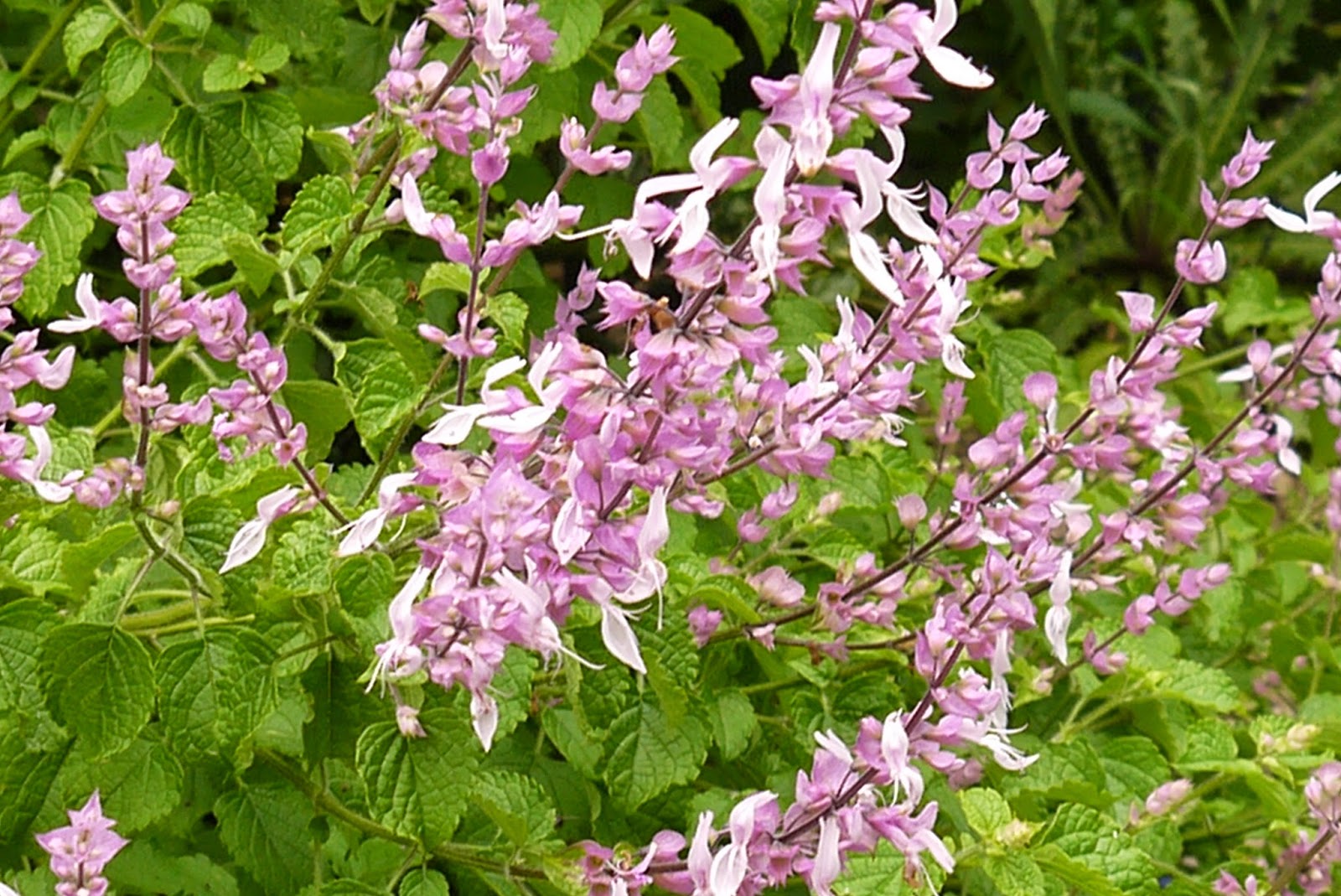
In pots I also grow several other crinums, including C. moorei which I grew from South African seed. It has lovely pink flowers and offsets readily, and it fairly quick to bloom from seed. I just haul the pots inside for the winter into the cool garage and allow it to remain semidormant with an occasional watering. I also grow C. macowanii from Malawi that a friend collected for me, it never offsets and wont form seeds. I have since acquired both seeds from South Africa of the same species and a large (well huge actually) bulb from Telos Rare Bulbs when they were having a sale on crinums and oxalis early this fall. I only wish I had ordered more crinums, Diana was trying to get rid of some of them because they take up a lot of space, and the bulbs I got were impressive to say the least. They will have to grow new roots, so I am keeping them unpotted till spring, at that point they will be able to grow new roots when it is warmer and their is less risk of root rots. If the macowanii from Telos blooms next year I can cross it with my form from Malawi and then get my own seeds.
Nestor sells a lot of crinums on ebay, and with each order you get a cd that has many nice photos and a great deal of information on the various crinums he grows, including many "found" ones growing in all sorts of odd places. You see, crinum grow all over the deep south, and are indestructible (we don't have the amaryllis caterpillar that is their main enemy in Africa), often outliving their owners or even their homes. So there's lots of "found" heirloom crinums to hunt for down south, where they have been surviving as long as they get enough sun to grow. I also found a couple of crinums in a field off a highway entrance ramp in South Carolina, I dug up one example of each and they are in pots now. I don't know if they were purposely planted there (but crinums aren't the sort of thing highway beautification folks plant) or, more likely I think, they might have been on a property that was demolished when the highway was built. Either way there are plenty left where I found them, and they should grow for many more years as they are not that close to the roadside. The biggest threat they face is probably trees growing up around them, they can survive in shade but really need full sun in most cases to do their best.
No one around here grows crinums, as with most parts of the USA homeowners only grow what is familiar to them or what their landscapers suggest. I could never have my gardens look like everyone elses, after all novelty is the spice of life, especially in gardening! So next year if more crinums bloom in the front gardens I guess the neighbors will be gawking at one more "weird" flower growing here as I continue to expand and remodel the gardens at my home.
If you want to try growing C. bulbispermum in a cold climate area, it is best to either get large bulbs or grow your own from seed in pots. The pots can be allowed to dry out and go dormant for winter if you don't want to keep them growing year round, and then when the bulbs are large enough to plant with their noses at least several inches under the ground surface, you can place them out in the garden. As far as I know they do not successfully resow in cold winter areas so it seems it is necessary to get the bulbs to a decent size before putting them outdoors. And if it is too cold for some crinums that you wish to grow they do fine in pots, just make sure the pots are as large as possible because they are greedy feeders with thick roots. Haul them in for winter and dry them off, or if you have the space and good sun you can keep them in leaf. If you are down south, well growing crinums is idiot proof, just plant in sun or partial shade in the case of C moorei, and provide enough water. Soil type wont likely matter, they can even manage in the clay soils that are so common down south. They will take time to establish, but once they do, remember, crinums are forever.