


Hiking up Horseshoe Mountain with an enthusiastic and informed crew from the Denver Botanic Garden during what apparently was an optimal time during an exceptionally good flower year was an experience I will cherish for the rest of my life.


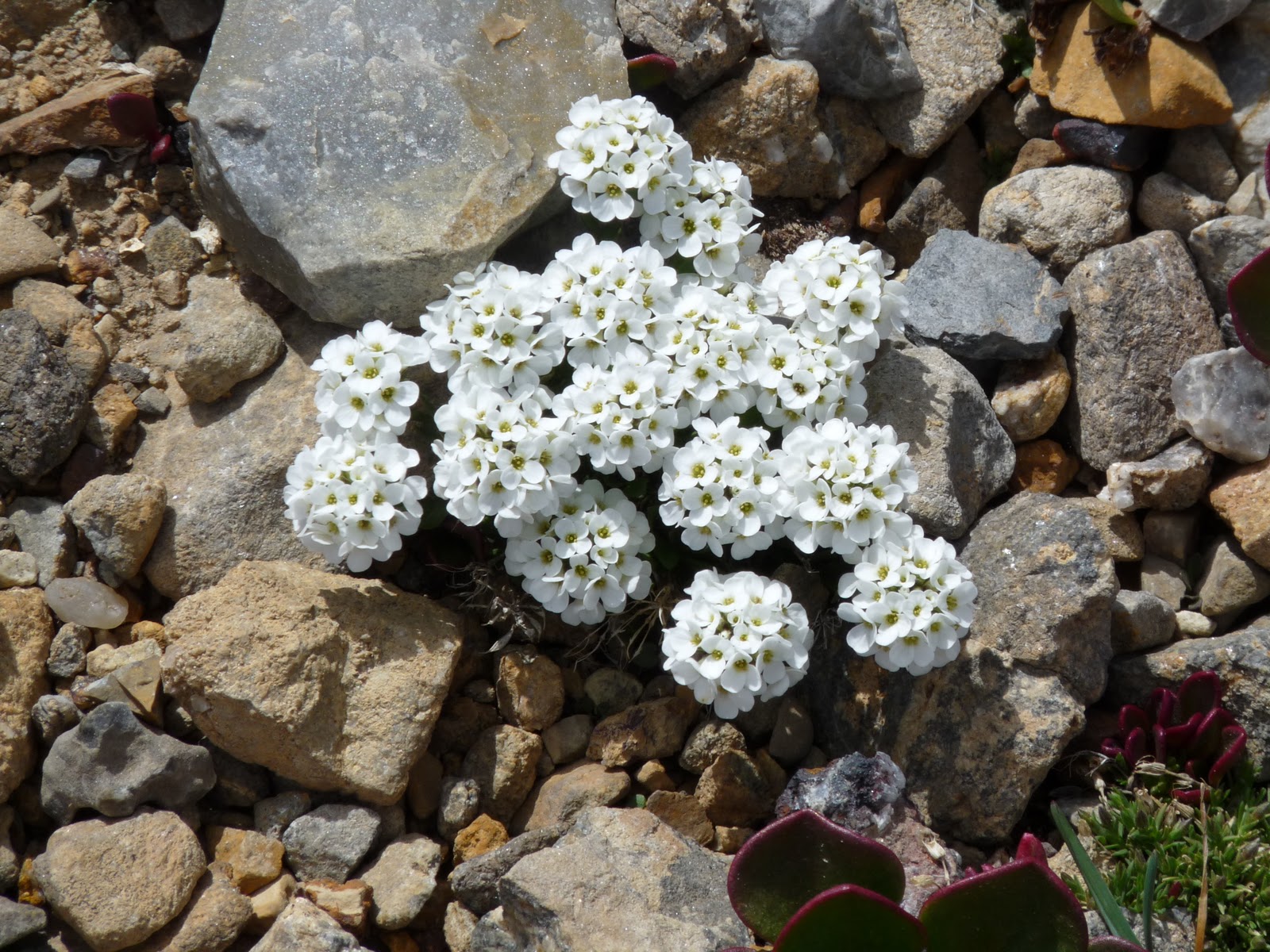
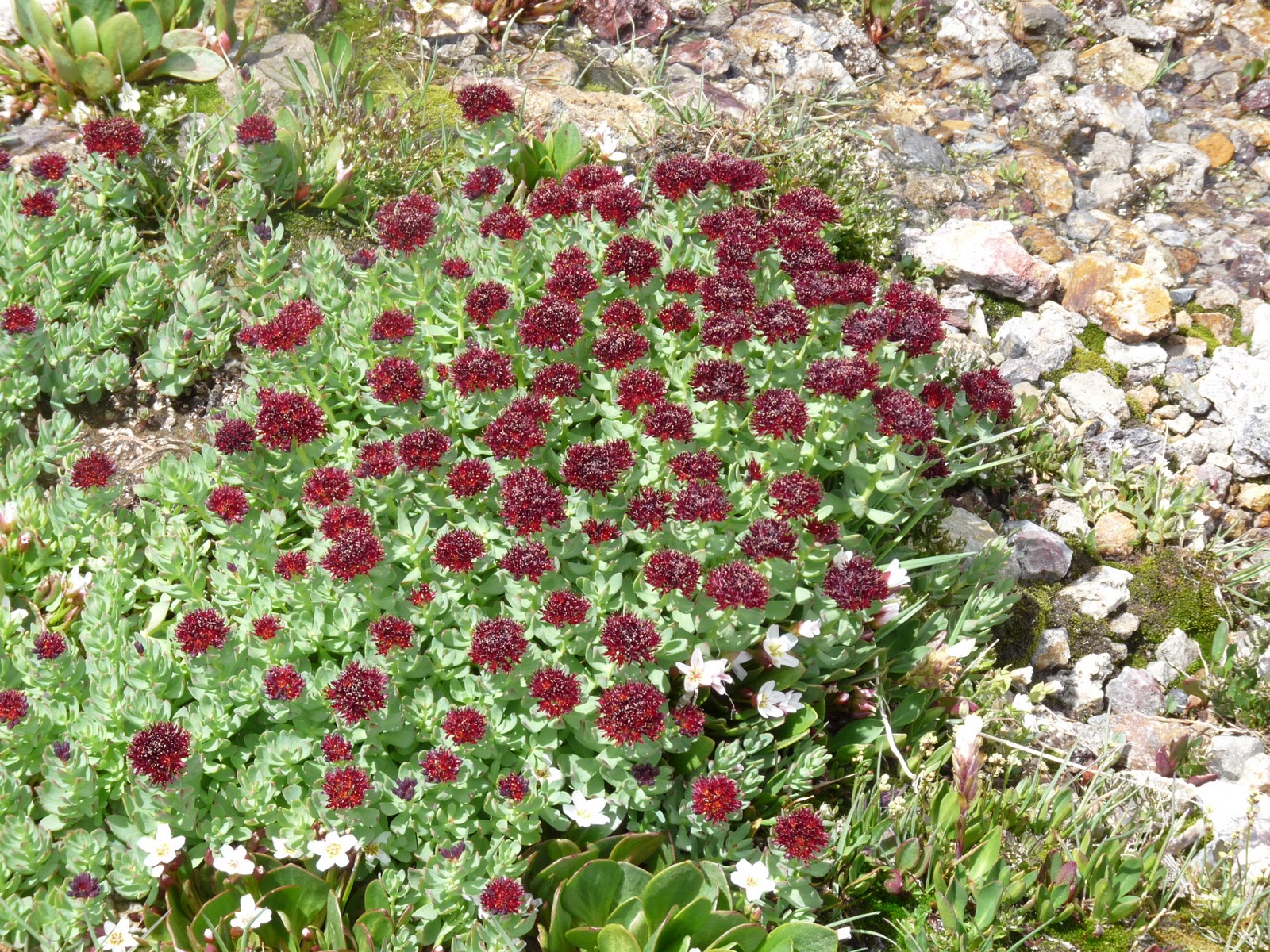


 More beauties from Horseshoe as we climb higherm the first photo shows a particularly nice form of Erigeron leiomerus with an extra row of rays. The odd plant in the third photo is some kind of endemic to Horseshoe and perhaps another place or two, is Saussurea weberi. This plant was in bud, bud later should open purplish flowers. Aster (or Machaeranthera) coloradoensis is a rare species in general, and we didn't see many on Horseshoe, one of the handful of areas where this sprawling pink daisy is found. Fortunately it is well established in cultivation as a rock garden plant. Growing in shallow running water is Ranunculus adoensis. I can imagine how difficult it would likely be to grow such a snowmelt plant of such a specialized habitat in cultivation. Another rarity in nature, but not so hard to grow in rock gardens, is Townsendia montana. It forms little bouquets of daisies which cover the foliage against the stark rocky substrate it grows in. Senecio (or Ligularia) holmii forms attractive little clumps of leathery foliage and nodding yellow daisies. Panayoti remarked how these resemble Cremanthodium from Asia, and I have to concur, they look very much like them and may even belong in the same genus. Its not too hard to visualize the genus stretched across the North American Eurasian landmass before the Bering strait formed ,isolating the ancestral stock to two distinct alpine locations, the Himalayas and the Rockies. The bold yellow daisy known as Old Man of the Mountain, Hymenoxis (Tetraneuris) grandiflora is quite common in the Colorado mountains, and it was abundant on Horseshoe as well. Phlox condensata is also common in the area, and on Horseshoe I found many flat rounded mats of it, most in full flower with five petalled white flowers. Senecio (Packera) werneriaefolius var alpina is yet another one of the attractive yellow daisies of the high mountains, forming a low mat of tightly packed dark green foliage covered with numerous bright flowers. In the last photo, a Frasera speciosa has finally reached maturity, shooting a meter high inflorescence packed with odd but pretty flowers, the culmination of several years of gathering and storing food for its final dramatic act of reproduction.